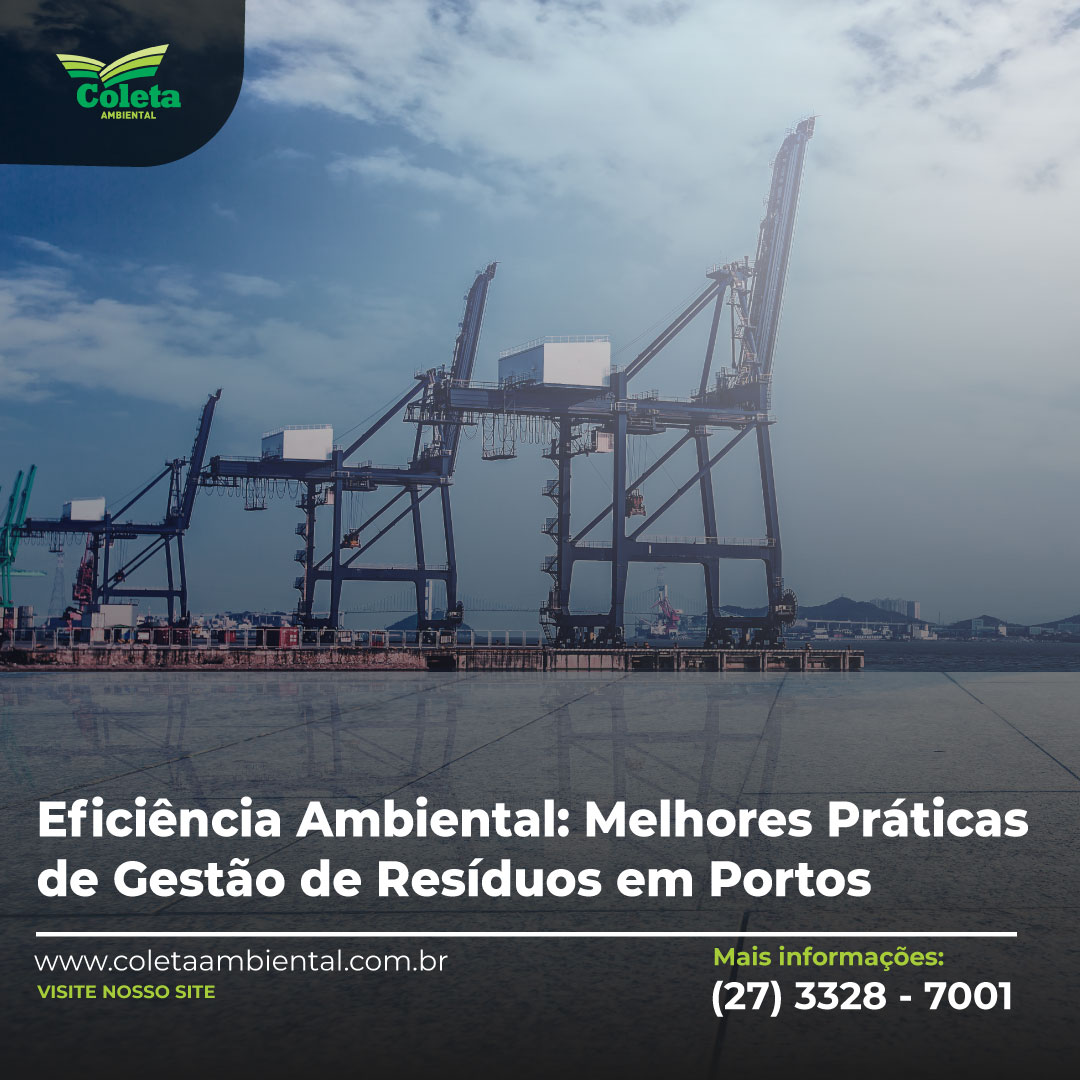
Ports play a vital role in global trade, but they also have a significant impact on the marine ecosystem. Therefore, it is essential to adopt responsible measures to minimize the negative impact of port activities on the environment.
What Is Environmental Efficiency?
Environmental Efficiency is the ongoing pursuit of solutions that balance economic development with environmental preservation. In the port context, this means adopting sustainable practices that reduce waste and pollution and promote the reuse and recycling of materials.
Best Practices for Waste Management in Ports:
1- Proper waste separation: Establish selective collection systems so that waste can be properly separated into recyclable and non-recyclable materials.
2- Recycling programs: Implement recycling programs that involve employees, operators, and the port community as a whole.
3- Reducing plastic use: Encourage the reduction of single-use plastic by promoting more sustainable alternatives.
4- Wastewater treatment: Invest in wastewater treatment systems to prevent contamination of water bodies.
5- Partnerships with the local community: Engage the local community in environmental awareness and education initiatives, fostering a culture of conservation.
6- Environmental monitoring: Conduct regular monitoring to assess the impact of port operations on the environment and adjust practices as necessary.
The adoption of efficient waste management practices in ports not only contributes to the conservation of marine ecosystems but also promotes a positive image for the port sector. Furthermore, it demonstrates a commitment to environmental responsibility, attracting investments and partnerships with companies committed to sustainability.
For more information about our services, please call us or visit our website:
📱(27)99722-4513 – 24/7
📱 (27) 3328-7001
www.coletaambiental.com.br
#sustainableports#waste management#sustainability#environment#conservation#recycling#environmental responsibility#environmental collection